Cluster flies are a seasonal issue across the North East, particularly in older or elevated properties. As temperatures begin to fall in late summer and autumn, these flies seek sheltered voids to overwinter. Loft spaces, roof voids, wall cavities and upper-floor window frames are common harbourage points.
While cluster flies do not breed indoors or pose a direct health risk, large numbers can become a persistent nuisance.
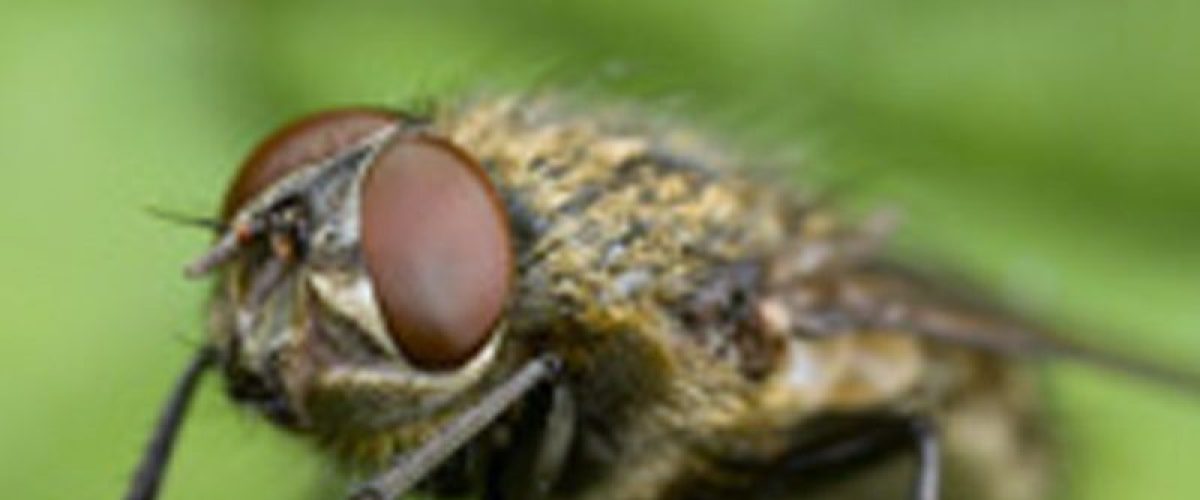
Cluster flies (Pollenia species) are slightly larger than common house flies and move more slowly. They are typically dark grey with a subtle mottled appearance and are often found clustering around:
Loft spaces
Upper floor windows
Attic voids
Wall cavities
Unlike house flies, cluster flies develop outdoors as parasites of earthworms. They enter buildings only to hibernate.
Cluster flies are most noticeable in:
Late summer and early autumn when they enter buildings
Warmer winter days when hibernating flies become active
Early spring as temperatures rise
Properties with south- or west-facing elevations and unsealed roof voids are more likely to experience repeat issues.
Common indicators include:
Large numbers of slow-moving flies around upper windows
Dead flies on window sills
Activity concentrated in loft spaces
Reappearance on warmer winter days
Because they gather in sheltered voids, the issue is often more noticeable in upper storeys.
Yes. Cluster flies are known to return to the same building if suitable overwintering conditions remain.
They do not reproduce indoors, but if entry points and void access are unchanged, the property may experience repeated seasonal activity.
Vacuuming visible flies can reduce numbers temporarily, but it does not address:
The main harbourage area within the structure
Entry routes around rooflines and eaves
Large hidden aggregations in wall cavities
Sticky traps and aerosols may catch active individuals but rarely prevent recurrence.
Effective cluster fly management begins with inspection to:
Identify likely entry points
Assess roofline gaps, soffits and vents
Determine whether void treatment is appropriate
Evaluate the level of seasonal pressure
Where justified, treatment may involve targeted residual insecticide application within loft voids and likely access areas. This helps reduce emerging activity during the overwintering period.
In some cases, proofing measures may be recommended to reduce re-entry.
Cluster fly issues are frequently reported in:
Loft spaces of detached and semi-detached houses
Converted roof spaces
Garages and outbuildings
Static caravans closed up over winter
Properties situated near open land or fields may experience higher seasonal pressure.
If you notice repeated autumn or winter activity, an inspection can determine:
Whether the flies are cluster flies or another species
Whether treatment is appropriate
Whether proofing or structural adjustments are required
Because cluster flies are seasonal, timing of treatment is important. Intervening during the correct period can significantly reduce nuisance levels.
Pest Shield provides inspection-led cluster fly control across Newcastle, Sunderland, Durham and the wider North East. Treatments are selected based on property type, activity level and seasonal timing.
If you are experiencing recurring cluster fly activity, contact us to arrange an inspection and discuss appropriate control measures.
Call 0191 7166647
Or contact us online to request an inspection
Pest Shield – Inspection-Led Pest Control Across the North East.