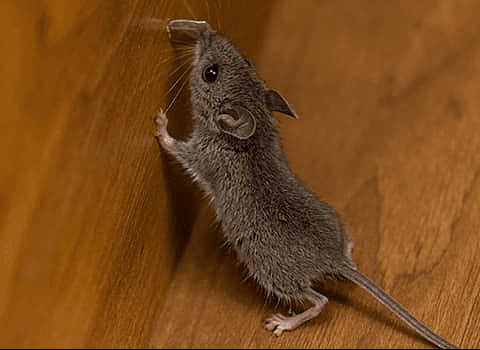
If mice keep returning to your property, it is almost never a new problem. In most cases, it means the original issue has not been fully resolved.
Mice come back because they still have access to the property and a reason to be there. Unless both are addressed, the problem will continue.
The main reason mice keep returning is that they are still able to get in.
Mice can squeeze through gaps as small as 6–7mm. This means very minor defects around pipework, doors, air bricks, or brickwork can allow ongoing access.
If these entry points are not identified and sealed, new mice will continue to enter even after treatment.
One of the most common issues is gaps around pipework.
These are often found behind kitchen units, inside cupboards, or where services enter the property. Because they are hidden, they are frequently missed, allowing mice to move in and out without being noticed.
Mice will exploit even the smallest weaknesses in a structure.
Poorly sealed doors, damaged vents, gaps in cladding, or cracks in brickwork can all provide access. These defects are often overlooked because they appear insignificant.
Mice will remain in an area if it provides shelter and a food source.
Accessible food, cluttered storage areas, and undisturbed spaces such as lofts or cupboards create ideal conditions for mice to nest and breed.
Even if entry points are limited, these conditions can support an ongoing problem.
Baiting or trapping will deal with the mice currently present, but it does not stop new mice from entering.
This is why problems often seem to return shortly after treatment. In reality, the underlying cause has not been addressed.
Without identifying how mice are getting in, treatment becomes a short-term solution rather than a permanent fix.
You may be dealing with a recurring issue if:
Activity returns shortly after treatment
Droppings reappear in the same locations
Noises continue in the same areas
There is no clear explanation for how mice are entering
These are all indicators that access points are still active.
To resolve the issue properly, both the infestation and the cause must be addressed.
This typically involves:
Identifying entry points through a full inspection
Sealing gaps around pipework and structural defects
Improving proofing around doors, vents, and external areas
Reducing food sources and harbourage
Once access is removed, the problem can be resolved long-term.
If mice continue to return despite previous treatment, a more detailed inspection is required.
An inspection-led approach focuses on identifying how and why mice are entering, rather than simply dealing with the symptoms. This is key to achieving a permanent solution.