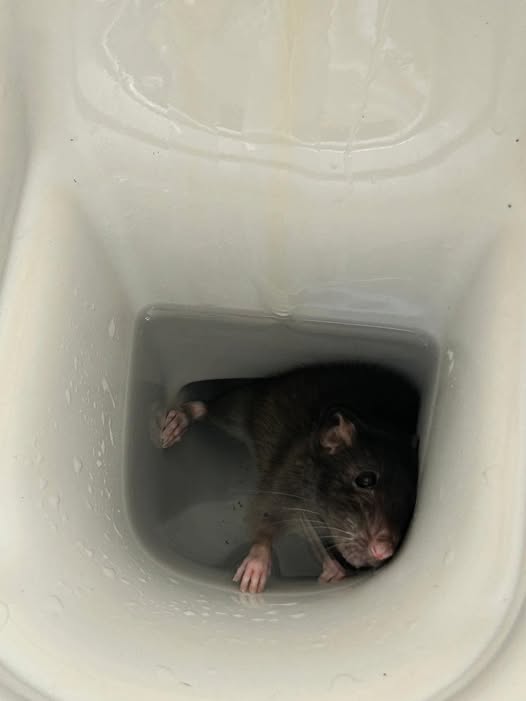
Yes. Rats pose a genuine risk to both health and property and should not be ignored.
While a single sighting may seem minor, rat activity can quickly escalate and lead to contamination, damage, and ongoing infestation if not properly addressed.
Rats are known to carry diseases that can be transmitted to humans through contact with urine, droppings, or contaminated surfaces.
These include Leptospirosis, Salmonella, and Hantavirus.
Contamination can occur on kitchen surfaces, food storage areas, and anywhere rats are active. Even indirect contact, such as cleaning contaminated areas without proper precautions, can present a risk.
Rats constantly gnaw to keep their teeth worn down.
This can result in damage to wood, plasterboard, pipework, and electrical wiring. Chewed cables are a known fire hazard and are one of the more serious risks associated with rat infestations.
They will also damage insulation, stored items, and soft furnishings when creating nesting areas.
Rats urinate frequently and defecate as they move, contaminating surfaces throughout the areas they travel.
This creates hygiene issues in homes and serious compliance risks in commercial environments, particularly in food preparation or storage areas.
In these settings, rat activity can lead to failed inspections, enforcement action, and reputational damage.
Rat bites are uncommon but can occur, particularly if a rat feels threatened or cornered.
The greater risk comes from indirect contact with contaminated surfaces rather than direct interaction.
Rats breed quickly, and what starts as a small issue can develop into a larger infestation in a short space of time.
Because they are often hidden within walls, lofts, or subfloor voids, the scale of the problem is usually greater than what is immediately visible.
Any sign of rat activity should be taken seriously.
Droppings, noises, damage, or sightings all indicate an active issue that requires investigation. Ignoring the problem or relying on short-term measures often allows it to worsen.
Rats are not just a nuisance. They present real risks through:
Contamination of living and working environments
Damage to property and infrastructure
Potential health hazards
Ongoing infestation if access points are not addressed
Proper identification of how rats are entering and why they are present is key to resolving the issue fully.